Many foot-related discomforts come from how the feet function during daily movement.
These patterns may affect comfort, balance, or how pressure is distributed — sometimes felt in the feet, sometimes elsewhere.
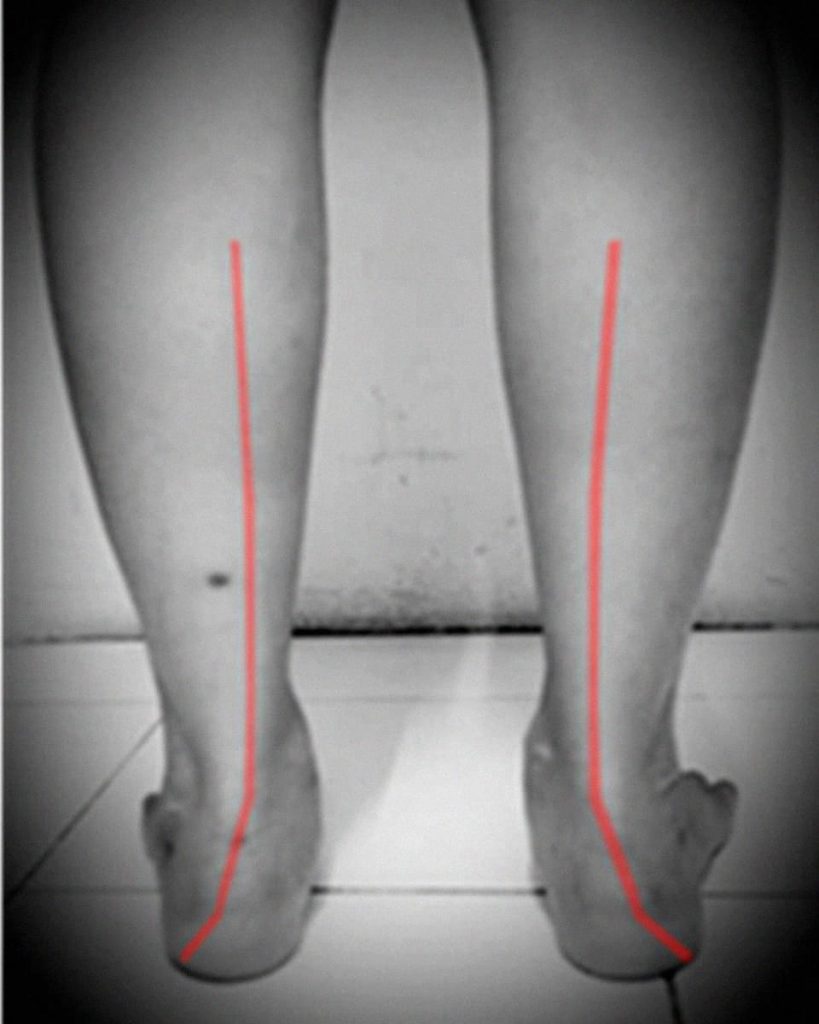
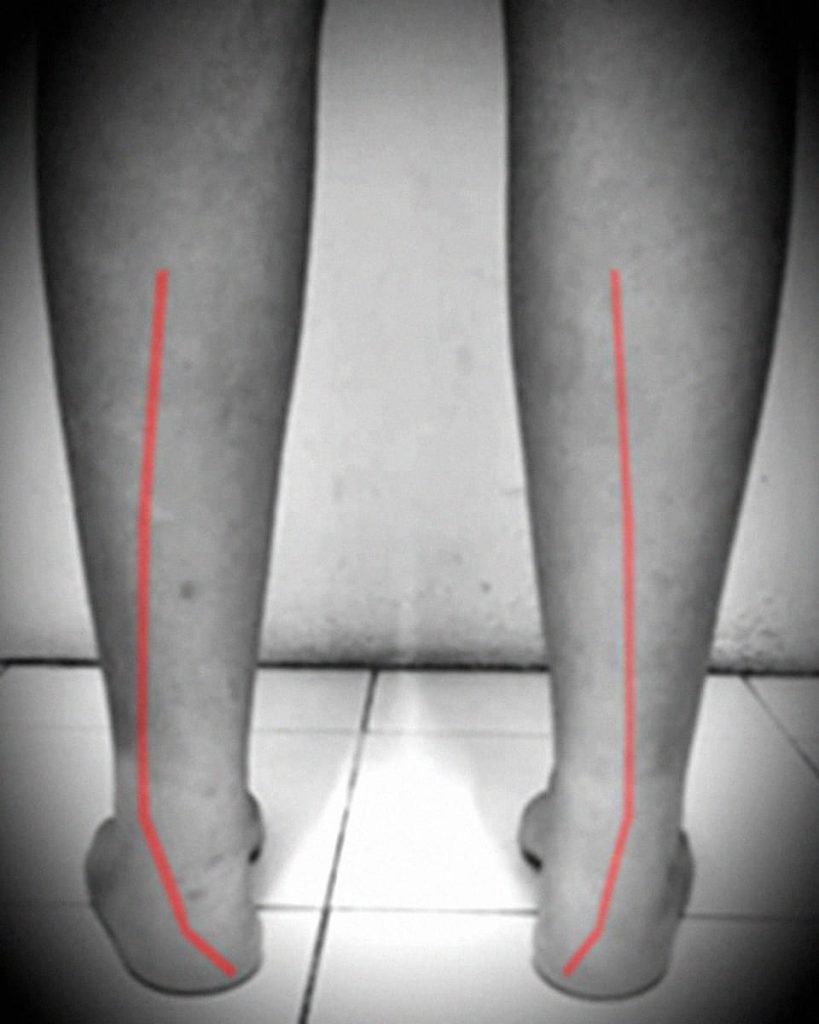
Pronation refers to the inward rolling of the foot as it contacts the ground. A natural amount is normal, but when it becomes excessive, the arch may flatten and pressure may be unevenly distributed.
Gentle note
Often noticed through shoe wear patterns or changes in comfort.
Supination
Supination refers to the outward rolling of the foot during movement. When excessive, pressure may stay on the outer edge of the foot, affecting balance and shock absorption.
Gentle note
May be associated with uneven shoe wear or frequent ankle strain.
Flat Foot
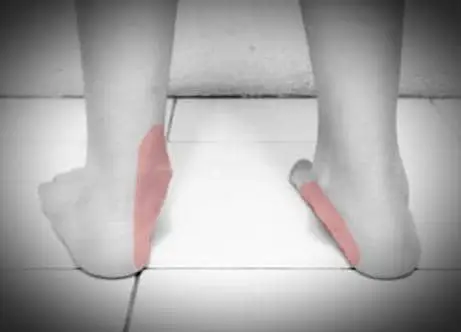
Flat foot occurs when the foot arch appears lower or less visible during standing. This pattern may affect how weight is distributed during walking or prolonged standing.
Gentle note
Seen in both children and adults, with varying levels of flexibility.
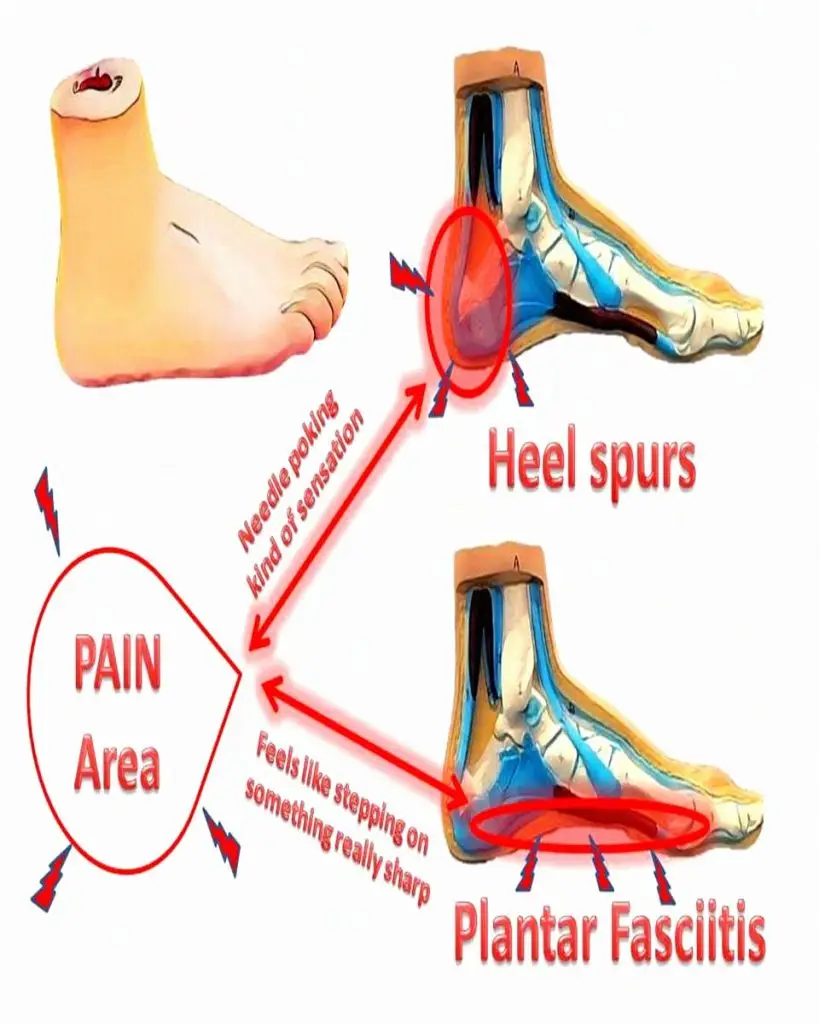
Often felt during the first steps after rest or after long periods on the feet. May be linked to how impact is absorbed during movement.
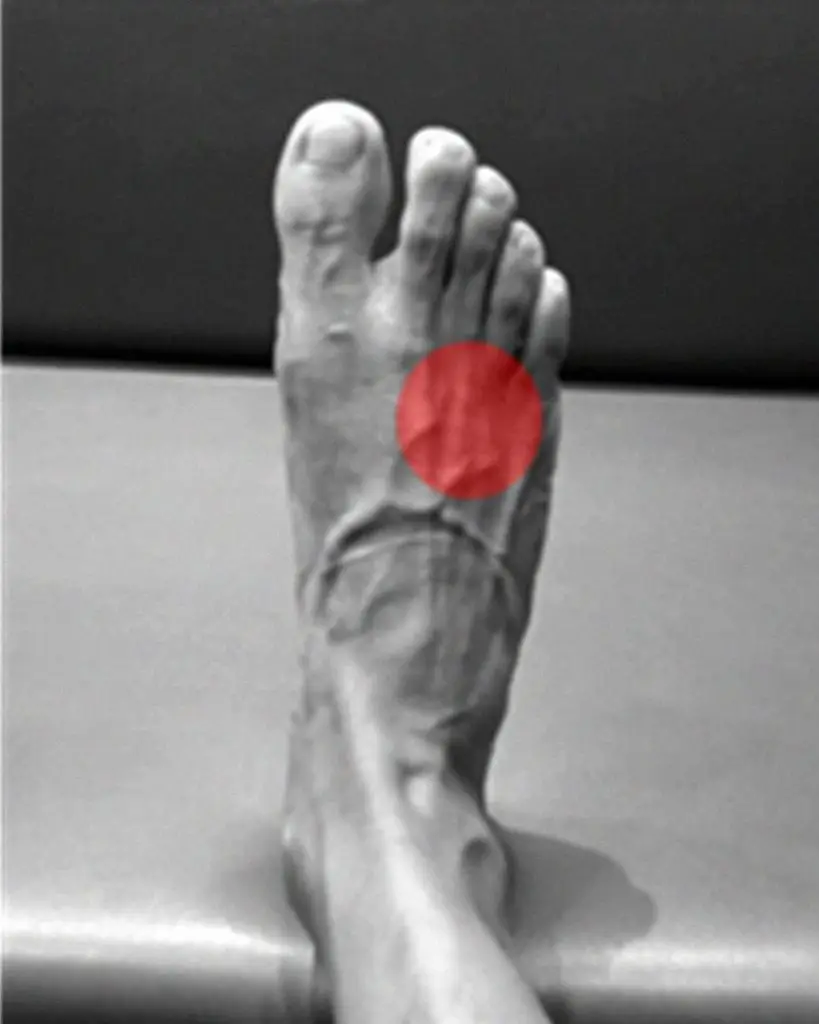
Discomfort felt under the ball of the foot during walking or standing. Pressure distribution plays a role in overall comfort.
Gentle Note
It may feel more obvious in the morning or after rest, and can vary from person to person.This sensation can be influenced by footwear, activity level, and foot structure. Appropriate support can help distribute pressure more evenly. foot support may help improve comfort during daily activities.
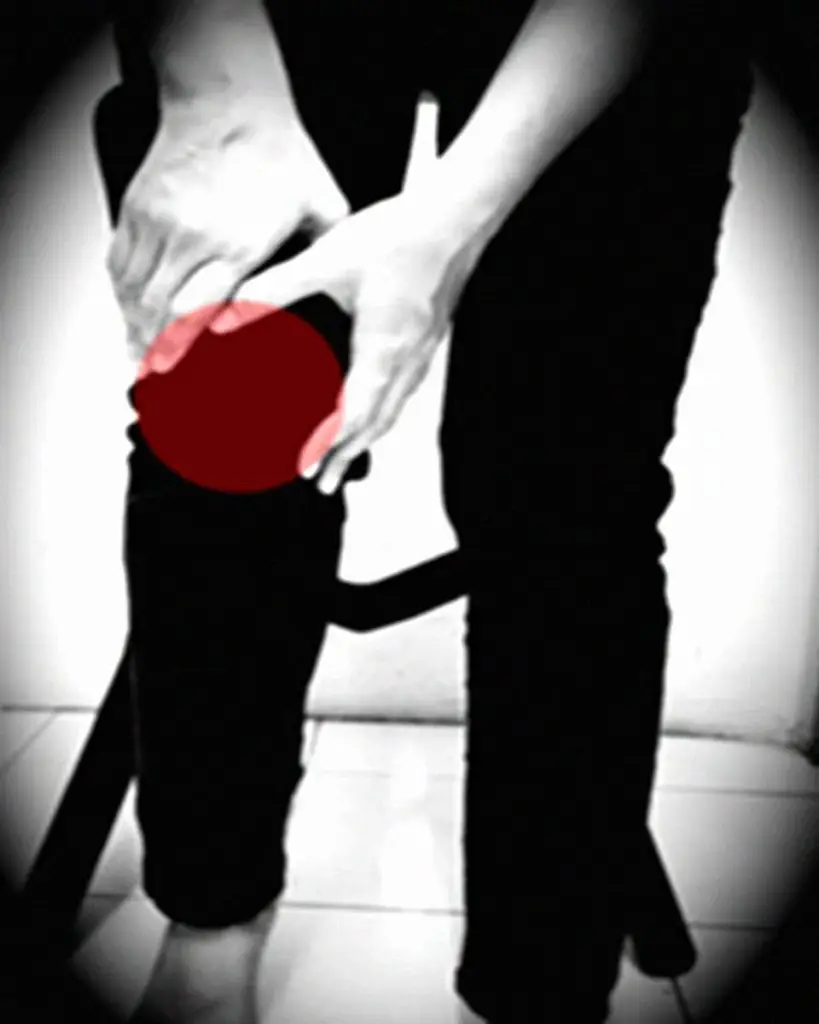
Knee Discomfort. The way the foot meets the ground may influence how forces travel upward. Changes in alignment can affect comfort over time.
Lower back Discomfort. Feet forms the foundation of movement. Imbalance below may influence comfort higher up the body.
Gentle Note
Foot mechanics play a role in how the body absorbs impact during movement. When foot support is insufficient, discomfort may sometimes be felt higher up, such as at the knees or lower back. Supportive insoles are often considered as part of overall movement comfort.
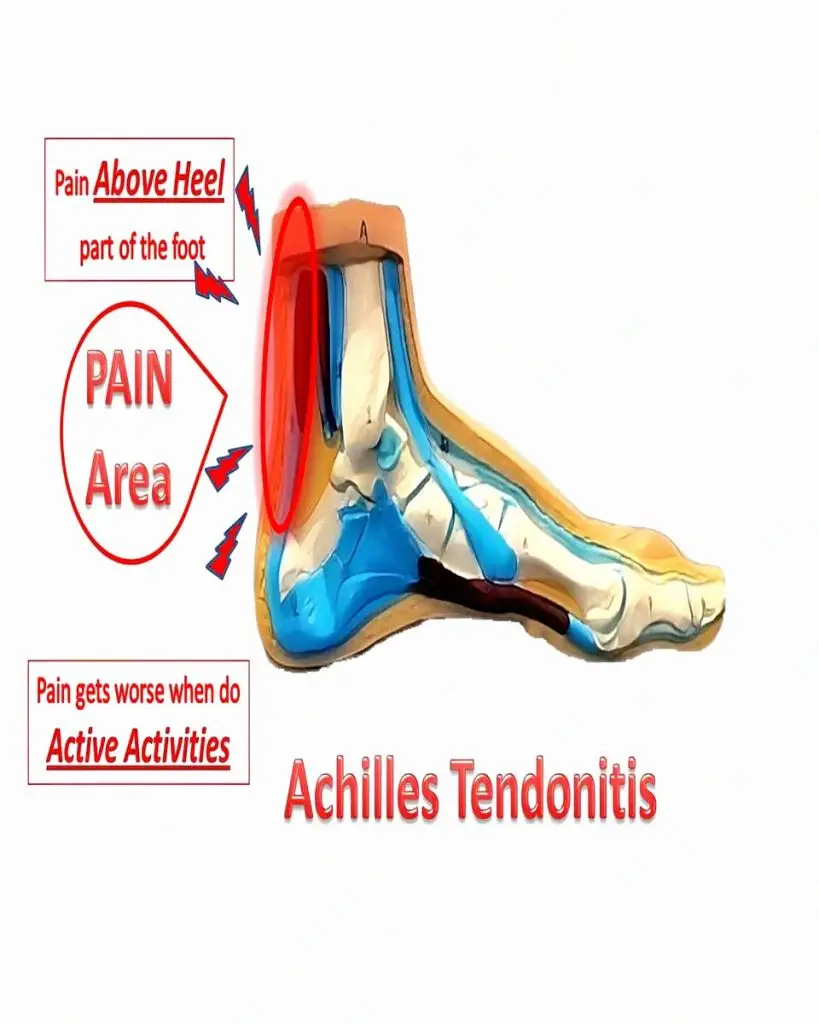
Achilles Tendonitis Discomfort
Often discussed when tightness or sensitivity is felt at the back of the lower leg. May be associated with repetitive strain and load during movement.
Gentle Note
Strain can develop when the tendon is repeatedly stressed during daily movement. Support and load balance may help reduce ongoing tension.
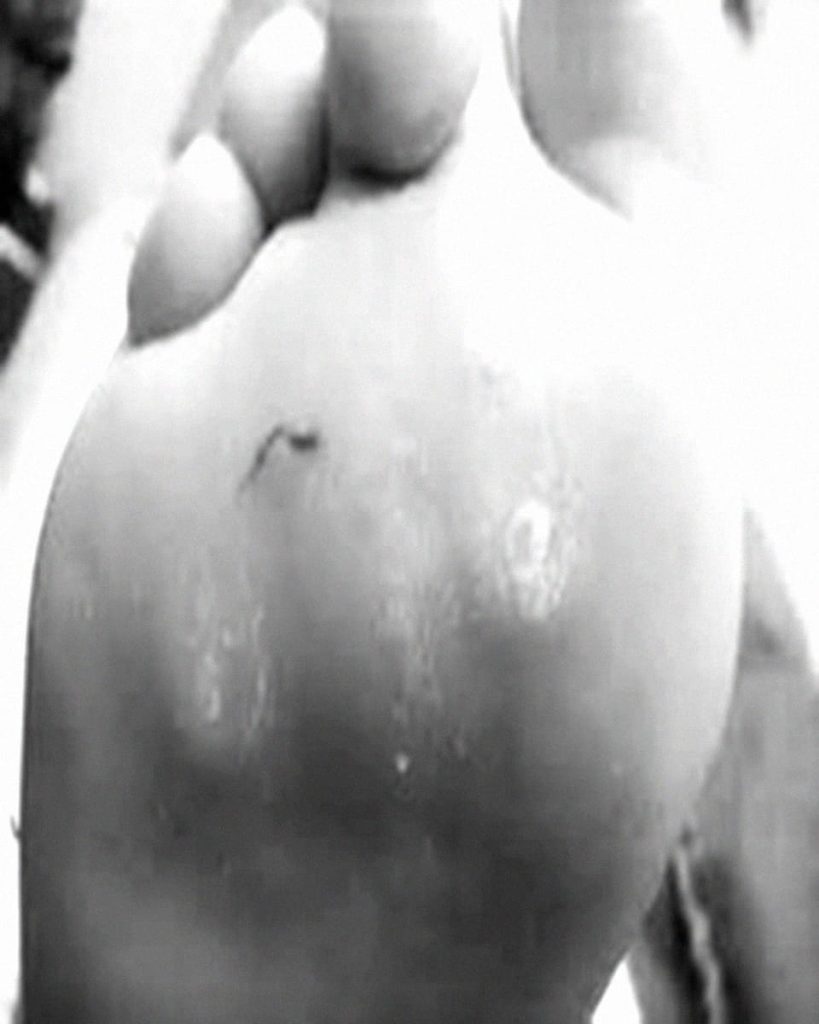
Calluses or Corn
Areas of hardened skin that develop over time. Often linked to repeated pressure on specific parts of the foot.
Gentle Note
Hardened skin forms when certain areas of the foot absorb repeated pressure. Uneven load during walking or standing may contribute to this over time.
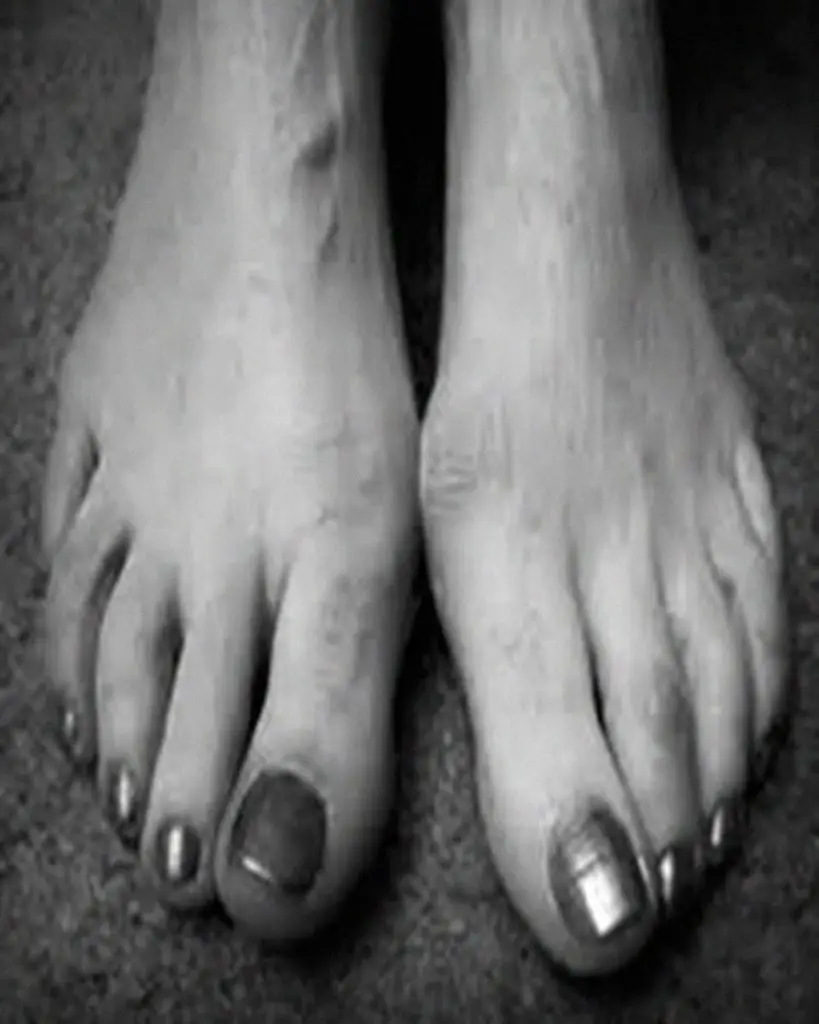
Bunions
A gradual change in the shape of the big toe joint. Pressure and footwear choices may influence overall comfort.
Gentle Note
Bunions form gradually due to pressure and foot alignment over time. Changes in load distribution may influence comfort.